
Training Clients in Their 60s: Why This Might Be the Most Important Work I Do as a PT
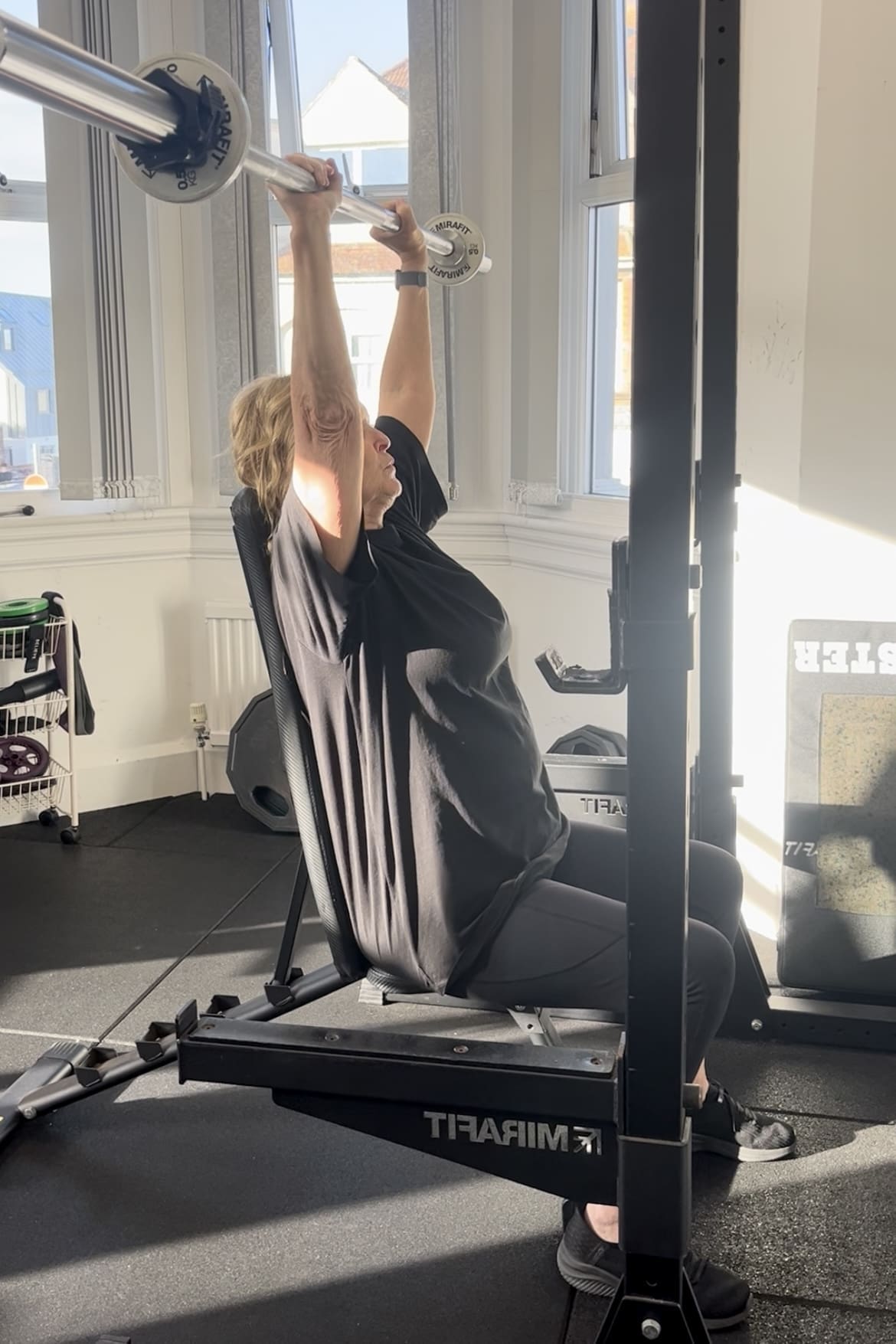
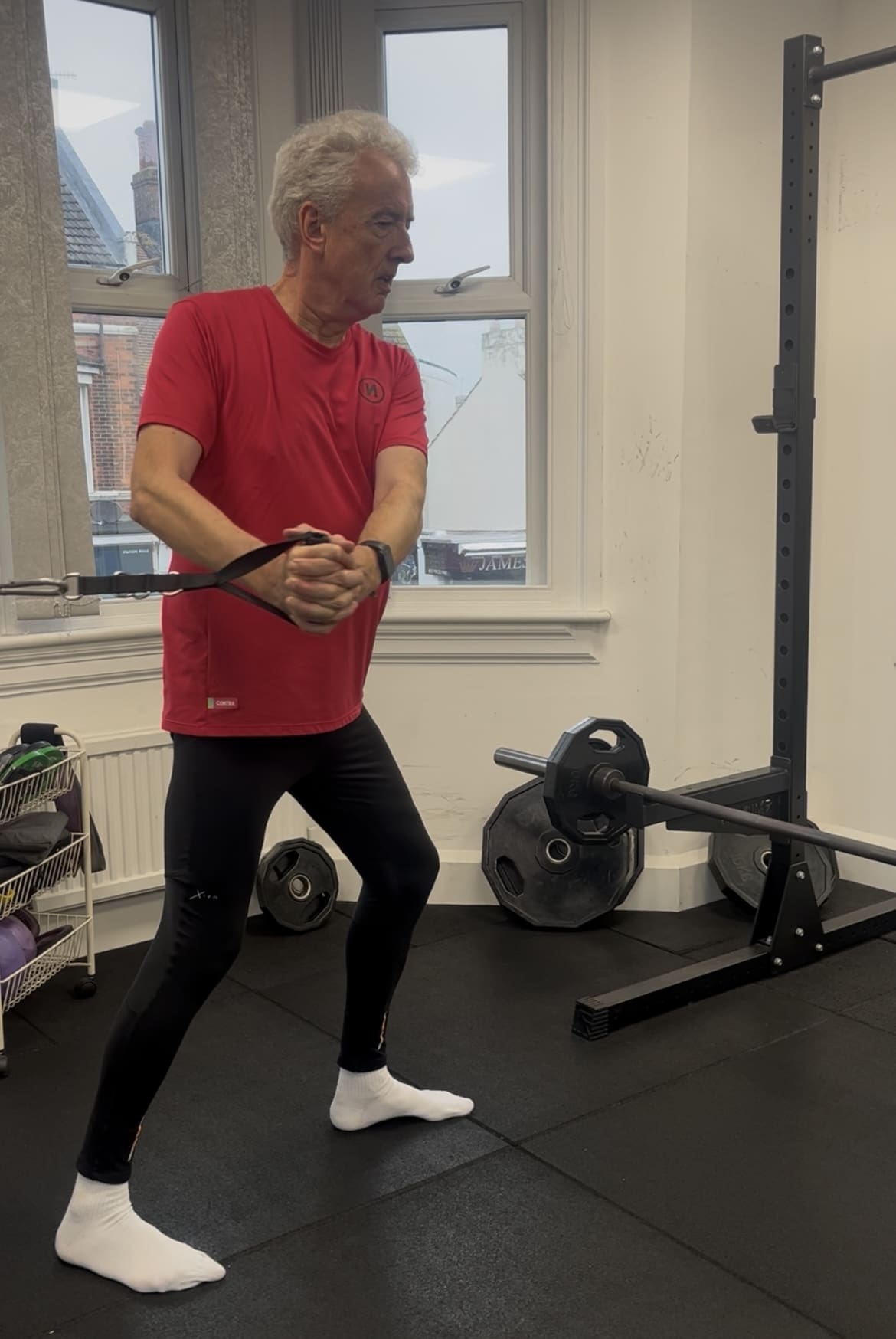
Working with clients in their 60s has quietly become one of the most rewarding parts of my job. I often notice the motivation is different. Deeper. More intentional. These clients aren’t training for a glute pump, an event PB, or to post their progress on socials. They’re training for longer lives, or bodies that remain capable, resilient, and as free from limitation as possible for as long as possible. That intrinsic motivation makes them consistent, engaged, and deeply invested in the process. When I tell them how much weight is on the bar, I often hear things like, “That’s about the same weight as my grandson.” Strength becomes relatable. Functional. Meaningful.
Strength Training as a Tool for Longevity
At this stage of life, strength training isn’t optional, it’s protective. Large scale research consistently shows that regular resistance training in older adults is associated with reduced all cause mortality, improved bone density, and a lower risk of falls and chronic disease. In other words, the work we do in the gym has a direct impact on how well — and how independently — people live later in life. There are several physical priorities I consistently consider when programming for this age group:
Bone health
Progressive resistance training plays a crucial role in maintaining bone density. This isn’t about maximal lifts, but about consistent, intelligent loading that the body can adapt to safely.
Preserving muscle mass
Age-related muscle loss (sarcopenia) is one of the biggest predictors of reduced independence later in life. Maintaining muscle mass improves balance, reduces fall risk, supports metabolic health, and increases overall resilience.
Mobility and movement confidence
Patterns such as squatting and lunging become increasingly important as people move into their 70s and beyond. Maintaining confidence in these movements supports independence — from getting up off the floor to climbing stairs. Flexibility supports joint health and allows the body to move more freely and comfortably.
Balance and proprioception
Good balance is paramount. Body awareness, coordination, and the ability to recover from a loss of balance all reduce fall risk and improve confidence in everyday movement.
Core strength and posture
A strong, responsive core supports posture, balance, and proprioception, helping clients feel stable and upright in their bodies.
Perhaps most importantly, strength training builds confidence. Learning that you are strong — that you can do hard things — carries far beyond the gym. These lessons are invaluable, particularly in your 60s.
More Than Just Physical Training
The benefits extend beyond muscle and bone. Sessions provide routine, accountability, and social interaction. They become a space where progress is celebrated, and people feel seen and supported. My approach is holistic: training, nutrition, and genuine care. The gym becomes part of a bigger picture of health and wellbeing.
How I Train my Over 60s Clients
Every client is individual but there are principles I return to again and again.
Foundations First
Sessions often begin with Pilates-based work, mobility, controlled movement, and breathing. This prepares joints, improves movement quality, and builds confidence before loading.
Fundamental Movement Patterns
From there, we train core human movements — squats, lunges, pushes, pulls, carries, and rotation — progressively adding resistance as appropriate.
Progressive Overload
We still progress, but sensibly. This might mean gradual load increases, better tempo control, improved range of motion, or added volume over time.
Full-Body Training
I predominantly use full-body sessions to allow regular exposure to key movement patterns, better recovery, and consistent reinforcement of skills.
Rep Ranges and Volume
While sessions are periodised to support strength development, I rarely go below five reps. Most work sits in the 8–12 rep range – effective, safe, and joint-friendly. I also keep volume sensible, usually around three working sets, to minimise excessive soreness and support recovery.
Exercise Selection
Deadlifts aren’t a bad exercise, but for many clients in this age group, the risk-to-reward ratio doesn’t always stack up. There are safer, equally effective ways to load the posterior chain without unnecessary complexity or risk.
Final Thoughts
Training in your 60s isn’t about fighting age; it’s about working with it in an empowering way. It’s about building bodies that are strong enough to support long, full, independent lives. It’s about routine and community. And as a coach, it’s some of the most meaningful work I do.