How I Qualified for Worlds at my Debut Solo Event
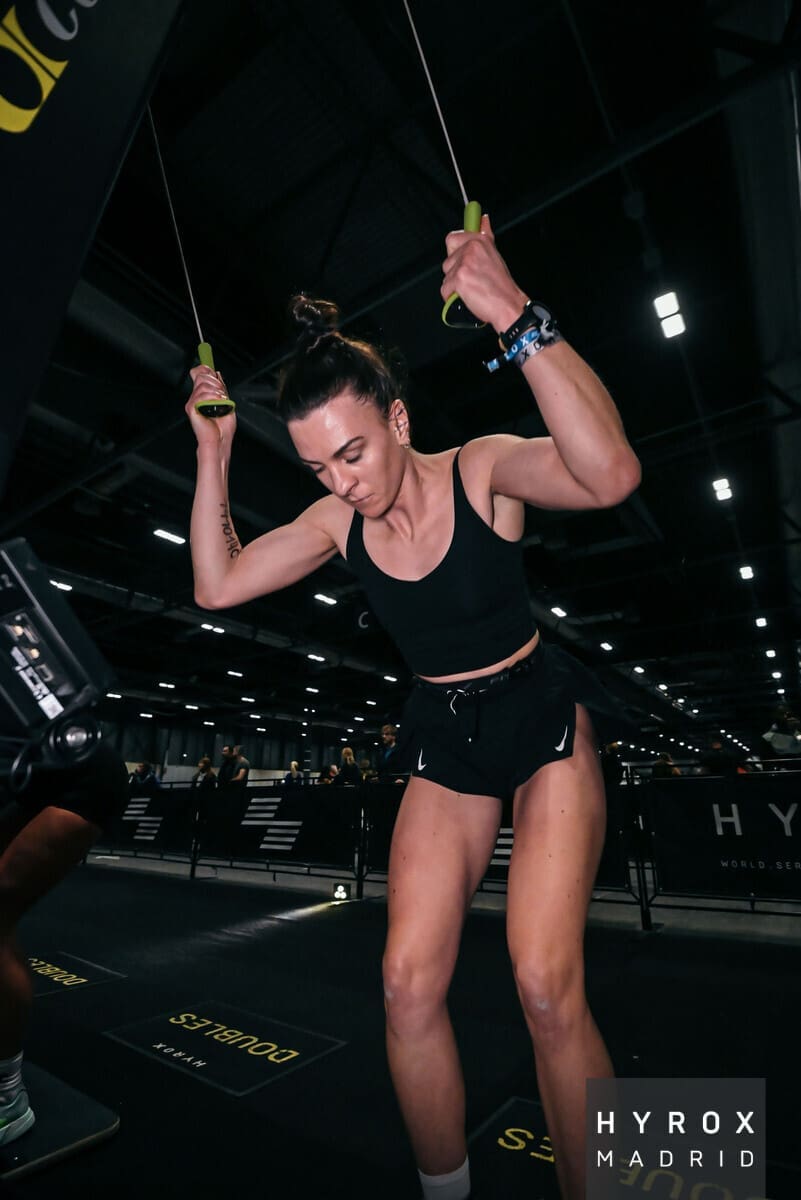
My first Hyrox experience was in Paris in April this year. I entered the Female Doubles Pro division, racing alongside a good friend who had a wealth of experience in the sport. Being able to learn from someone so seasoned was invaluable. By the time we crossed the finish line, I felt satisfied with my performance and intrigued by how I might fare racing solo.
Six months later, I found out. I’d secured a solo race in Madrid, competing in the Pro category.
It’s worth noting that I’m still a very inexperienced Hyrox athlete. I’ve completed just two races, and everything I’m sharing here reflects what works for me personally – it’s by no means a one-size-fits-all approach.
As I entered the Madrid venue, I instinctively reached for my Loop earplugs, using them to dull the noise and sensory overload. I warmed up at the back of the building, away from the crowds and chaos. I jogged 3km around industrial estates alone. Once inside the warm-up zone, I continued with my running drills, watching the other female athletes prepare. It was fascinating — the rituals, the focus, the different ways everyone tried to steady themselves before the race.
As my time approached, I made my way to the start line and stood among the competitors. There were closed lipped smiles, fast nods, foot flicks and a palpable sense of built-up energy. I still had my earplugs in, and honestly, if the judge hadn’t told me I couldn’t race with them, I’d have kept them in the entire time. There was something calming about taking the edge off the noise. I felt ready. At five seconds to go, I took them out, zipped them into my waist bag next to my carb gel and off I went.
1. Ran with intention
I committed to two focused running sessions a week. One threshold interval session along the seafront such as 10 sets of 3 mins (90) and one VO2 track session such as 12 sets of 400m (60), I kept my weekly volume actually quite moderate but purposeful. The consistent speed work improved my running a lot. So much so, I secured a 5k personal best of 18:51 five days before competing in Madrid. This gave me some confidence going into my Hyrox solo, knowing the runs at least would feel easier than a hilly 5k effort.
2. Dialed-in erg work
I trained on the ergs 1–2 times per week, honing my technique and keeping intensity moderate. I kept the output controlled, built efficiency, and let my body adapt instead of constantly chasing fatigue. My form on both ergs improved a lot and I felt my heart rate decrease on the row whilst maintaining the same output. I felt strong on the row erg during the race so this specific training paid off nicely.
3. Carbs, carbs, carbs
I took fuelling very seriously. I tracked my macros in the weeks before the race to ensure I was getting enough to support hard sessions. I used to be someone who didn’t value my carbohydrate intake and focused solely on protein for physique gains. Eating for performance meant saying goodbye to ripped abs but entering a whole new world of fuelled, energised sessions. On max effort run days, 300g+ carbs was the standard whilst on non-run days I kept it around 2-3g/kg/bw. During race week I was strict on whole foods, high satiety, performance-first nutrition, white rice with most meals, plenty of honey and bananas and Maurten carb mix. The day before the race I got 650g of carbs in and I still took on a gel mid race, succeeding a 10g/kg/bw plan. Hydration was locked in all week but I still could have done more in this area – I was often reaching for the water station and this lost me time.
4. Protecting my mind
I stayed off social media as much as possible during the months pre-race. I didn’t want curated content increasing anxiety or comparison. I also didn’t want anything keeping me distracted from sleep and good rest. This mental space kept me focused on my training, my clients, and my recovery.
5. Recovery as a non-negotiable
I used Red light therapy most evenings on my legs as part of a good evening routine before bed. I tried to keep my sleep quality and duration high throughout my week, including weekends. I also took 2-3 rest days a week. The aim of these days was to fully recover my system and not to increase my heart rate. Time away from training is where adaptation happens and strength is built. I treated rest days as importantly as the sessions days.
6. Nasal breathing
During my interval sessions I used a nasal dilator and focused on nose breathing during recoveries. This helped me recover quicker between reps and I felt a noticeable improvement in my performance when I used it.
It’s helped not just for pacing, but also for sleep, anxiety, and controlling my reactions to things. Deep, slow breathing kept me in my parasympathetic calm state during the hours leading up to the race.
Reflecting on it, honing my breathing technique has been the biggest and most impactful change to my fitness routine.
7. Race day pacing
Perhaps the most important lesson: don’t go out too fast. Knowing your pace and staying disciplined makes or breaks a Hyrox race. Having a plan before you get into the stations is helpful and this kept me present and focused on the task. To maintain a good output throughout a 75 minute effort, I knew my pacing had to be controlled.

The Stations
SkiErg 1000m
Felt controlled but conservative. 4:46
Sled Push 50m 152kg
Went in with a solid plan: push past halfway, take a quick stand & reset.
Breathing still felt controlled here. I used the crease of the elbow to push the sled, this way I kept my chest high and allowed the legs to push. 03:01
Sled Pull 50m 103kg
This felt surprisingly okay. Rope placement could be improved to allow for more ease, but strength and pacing were there. 04:13
Burpee Broad Jumps 80m
These were very demanding and slow. Never tipped into panic mode or red-line but efficiency needs improving. Good execution overall. 4:47
RowErg 1000m
Felt strong and powerful here! Even had the capacity to shout encouragement to the women around me which actually reminded me that we’re all here choosing to do this hard thing together. 4:46
Farmer’s Carry 200m 24kg
This was the station I was most disappointed with. My grip didn’t last as long as expected and my traps were screaming early. Definitely an area I want to improve — grip endurance, trap strength, and breathing efficiency under load. 2:19
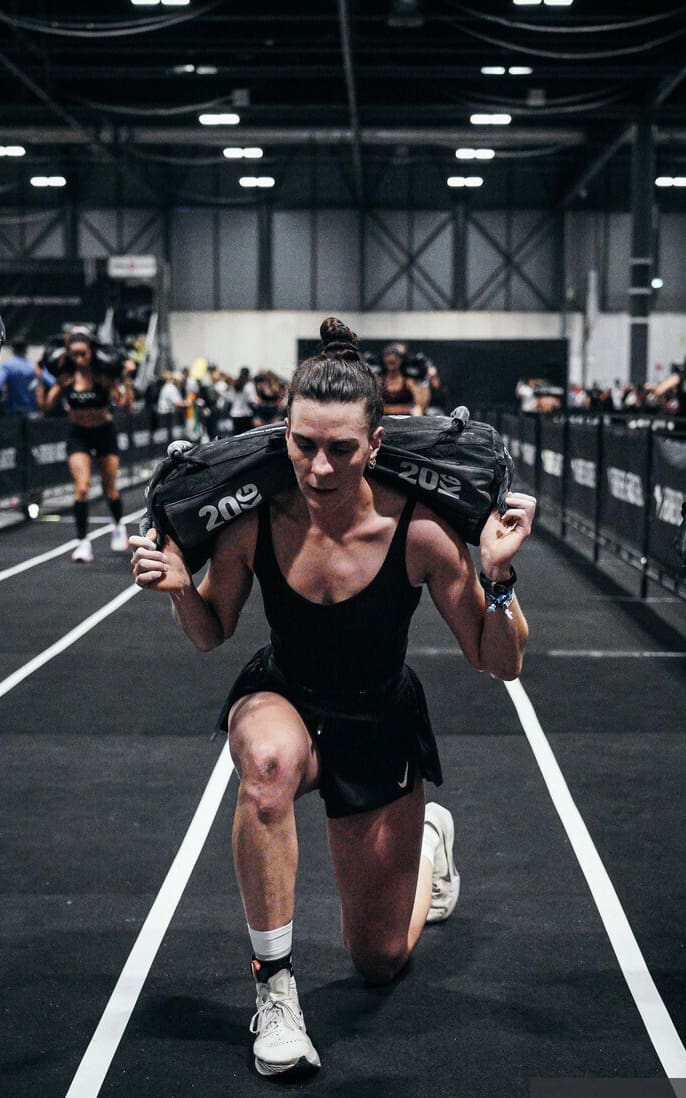
Sandbag Lunges 100m 20kg
These got really tough. The weight felt heavy, and the quads felt a little under-conditioned for the volume. A clear area for improvement: leg strength and fatigue resistance. 04:18
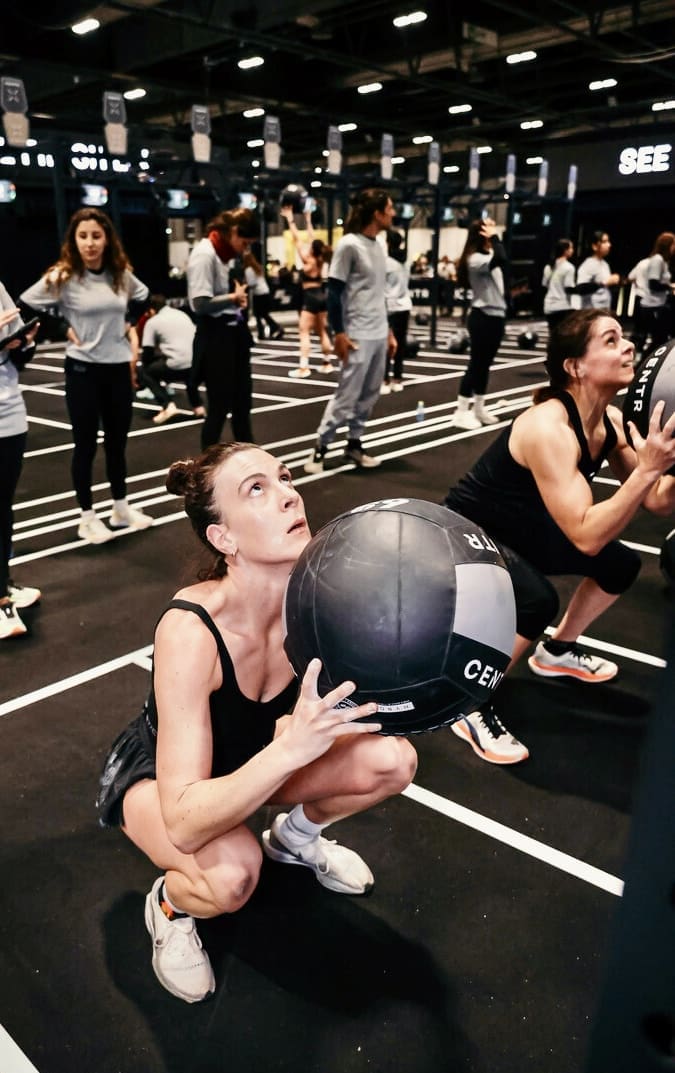
Wall Balls 100 reps 6kg
Humbled by this station. I was overtaken on these as I dropped the ball multiple times to catch a breather. Excited to put in a big shift to improve these next year. Technique, cadence, and conditioning will make a big difference to overall time. 5:51
The Runs
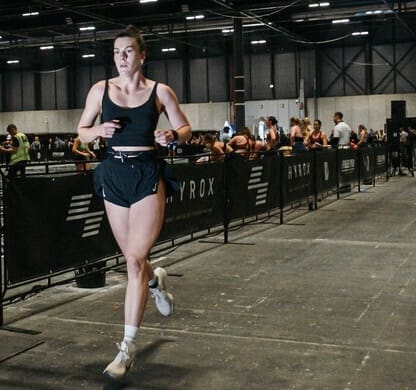
With a strong running background, I felt confident managing the overall running volume. I approached the opening runs with a degree of caution as I familiarised myself with the course and ensured I was consistently covering the correct distances. In hindsight, this caution carried through the entire race and while I’m glad I managed the pace, I’m intrigued to see if I can push the runs a bit more. My average pace across the runs settled at 4:27/km, solid, but with clear scope to push harder next time.
Reflection
One of the biggest takeaways from this experience is just how specific Hyrox is as a race. It demands a high level of respect, structure and preparation. While the sport is exciting and rewarding, it’s easy to become overly focused on race-specific intensity and neglect other foundations of long-term health, such as consistent strength training performed with adequate recovery between sets. The physical and mental demands of the race should not be underestimated, and having a clear post race recovery protocol is essential for longevity in the sport. Despite this, I was thrilled to qualify for the World Championships age cat 30-34 in June next year, and I’m excited to see where six months of thoughtful, balanced training can take me.